
Fire Alarm Installation
Where should fire alarms be installed?
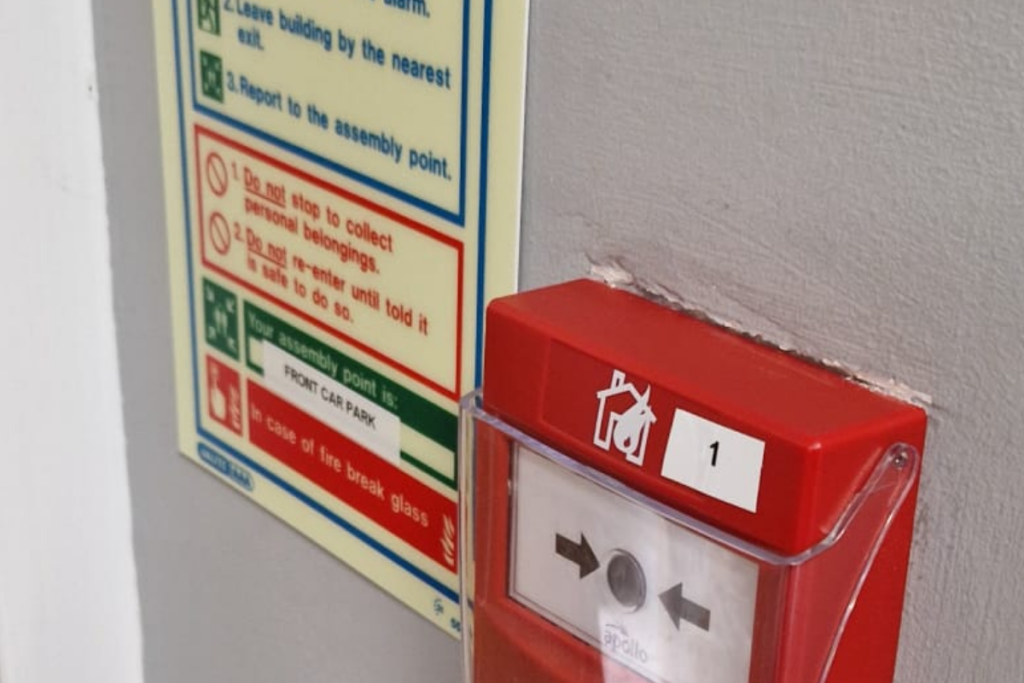
A fire can start anywhere, anytime, with just a matter of seconds making the difference between safety and tragedy.
That’s why installing fire alarms in the right place is one of the most important steps you can take to protect your home, family or workplace.
But it’s not enough to simply have an alarm, it needs to be in the right spot. An alarm placed incorrectly may go unnoticed, trigger false alerts, or fail to give you time to escape.
Fire alarm requirements may vary by building type, occupancy and risk profile, so guidance should always be confirmed by a fire risk assessment.
At Bolt Fire, we understand the importance of correct fire alarm installation, fully compliant with BS5839 standards.
In this article, we’ll guide you through where to place fire alarms in homes, workplaces, and flats. You’ll get practical placement tips, an overview of UK legal requirements and maintenance advice to ensure your alarms are always ready when you need them most.
What are the different types of fire alarms?
Fire alarms are not a one size fits all solution. Depending on the layout, size, and fire risks of a property, there are wired, wireless and hybrid systems designed to provide the most effective protection.
Here’s a breakdown of the main types:
- Smoke Alarms – Detect smoke particles in the air, providing an early warning in most areas of the home. They are the most common type of alarm and are essential for bedrooms, hallways and living areas.
- Heat Alarms– Detect rapid changes in temperature rather than smoke. Ideal for kitchens, garages or dusty environments where smoke alarms may trigger false alarms.
- Combination Alarms– Detect both smoke and carbon monoxide, offering extra protection in rooms with fuel-burning appliances like boilers, gas heaters or fireplaces.
- Interconnected Alarms– A system where all alarms communicate with each other. If one alarm detects smoke or fire, all alarms in the system sound simultaneously, giving everyone in the property early warning, regardless of which room the fire starts in.
Choosing the right type of alarm or combination of alarms, ensures your home, flat or workplace is protected effectively from a variety of fire risks.
Where should fire alarms be placed in a home?
To maximise safety, it is best practice to install fire alarms in all rooms where a fire could start, while avoiding areas prone to steam or smoke that could trigger false alarms, such as kitchens and bathrooms.
Here is the best practice:
Bedrooms
Install a smoke alarm inside each bedroom to provide early warning while sleeping. This is not legally required but is strongly recommended.
Hallways
These are primary escape routes and should be protected.
Living Rooms
These are common fire-starting areas and should be fitted with an alarm.
Kitchen
Use a heat alarm rather than a smoke alarm to prevent false alarms triggered by steam or smoke from cooking.
Garage
If attached to the home, a heat alarm can detect car fires or fires from electrical equipment.
Installation Height and Positioning
Smoke rises; therefore, alarms should be mounted on ceilings or high on walls.
Avoid placing alarms too close to windows, vents or bathrooms, where drafts or steam could cause false alarms.
You should always follow manufacturer guidance on installation.
Where should fire alarms be installed in the workplace?
Fire alarms are mandatory in the workplace under the Regulatory Reform (Fire Safety) Order 2005.
This law requires all workplaces to have a fire detection and warning system appropriate for the building and the risks present.
The placement of alarms depends on several factors, including:
- Size and layout of the premises: Larger or multi-storey buildings may require more alarms or an interconnected system.
- Nature of the work: Areas with higher fire risks need additional protection.
- Overall fire risk: This is determined by a fire risk assessment, which the ‘Responsible Person’ is legally required to carry out.
The fire risk assessment will determine the alarm type, location and system category for the individual workplace.
Proper placement and maintenance of workplace alarms ensure that employees and visitors receive early warning, allowing safe evacuation in case of fire.
Where should fire alarms be installed in flats and multi-occupant buildings?
In private flats and rental properties, landlords are legally required to ensure fire safety is in place, under the Smoke and Carbon Monoxide Alarm Regulations 2022.
At least one smoke alarm must be installed on every storey that has living accommodation.
Carbon monoxide alarms are required in any room containing a fixed combustion appliance, such as a boiler, gas heater, or fireplace.
The building’s responsible person (usually the landlord or managing agent) must ensure that all alarms are installed, maintained, and tested regularly.
Where should fire alarms be installed in newbuild homes?
New build homes must comply with Building Regulations (Approved B) document which requires fire detection and alarm systems to be installed in line with BS 5839-6 standards.
- This requires smoke alarms on every story, ensuring full coverage throughout the home.
- Smoke alarms in circulation spaces, such as hallways and landings to provide early warning.
- Heat alarms in kitchens, especially in open-plan-layouts to prevent false fire alarms from cooking.
In most newbuild properties, alarms are also interconnected, meaning if one alarm is triggered, all alarms in the home will sound at the same time.
This provides faster warning and improves overall safety, especially in multi-storey homes.
What are common fire alarm installation mistakes?
Even when fire alarms are installed, simple mistakes can reduce their effectiveness. Avoid the following to ensure your alarms provide reliable protection:
Installing alarms too close to kitchens or bathrooms
Excessive steam or cooking smoke can cause frequent false alarms, which may lead to alarms being ignored or disabled.
Using the same type of detector in every room
Different areas require different detectors. Smoke alarms are not suitable for kitchen or garages.
Failing to maintain or test alarms regularly
Alarms that aren’t tested or maintained may not work when needed. Batteries should be replaced as required, and alarms should be tested monthly to ensure they function correctly.
Avoiding these common mistakes helps ensure your fire alarms work effectively, providing early warning and improving overall fire safety.
How should fire alarms be tested and maintained?
For fire alarms to work effectively, they must be tested and maintained regularly.
- Test the alarms
Test each alarm at least once a month. Most alarms have a test button, press and hold it until you hear the alarm sound.
- Replacing batteries
Standard batteries should be replaced once a year, or sooner if the alarm emits a low-battery warning beep.
- Keep alarms clean
Dust, dirt and insects can block sensors, cause false alarms or prevent smoke detection. Clean alarms by gently wiping the casing with a dry cloth or lightly vacuuming the vents.
- Alarm replacement
Smoke alarm sensors degrade over time and may not detect smoke reliably.
As a best practice, fire alarms should be replaced every ten years, or sooner if recommended by the manufacturer.
Why use professional fire alarm installation?
Professional fire alarm installation is essential to ensure your system provides early warning, reliable performance and full compliance with UK fire safety legislation and BS 5839 standards.
If you are unsure on where to install fire alarms in your property, always refer to a fire risk assessment, which outlines the best practice for the space.
At Bolt Fire, we specialise in the professional installation of fire alarm systems. Our experienced engineers ensure every system is tailored to your property’s risks and installed to the highest standards.
Contact us today to discuss your fire alarm installation requirements and protect what matters most with confidence.