
Fire Alarm Systems
Wired Vs Wireless Fire Alarm Systems: Which is Best?
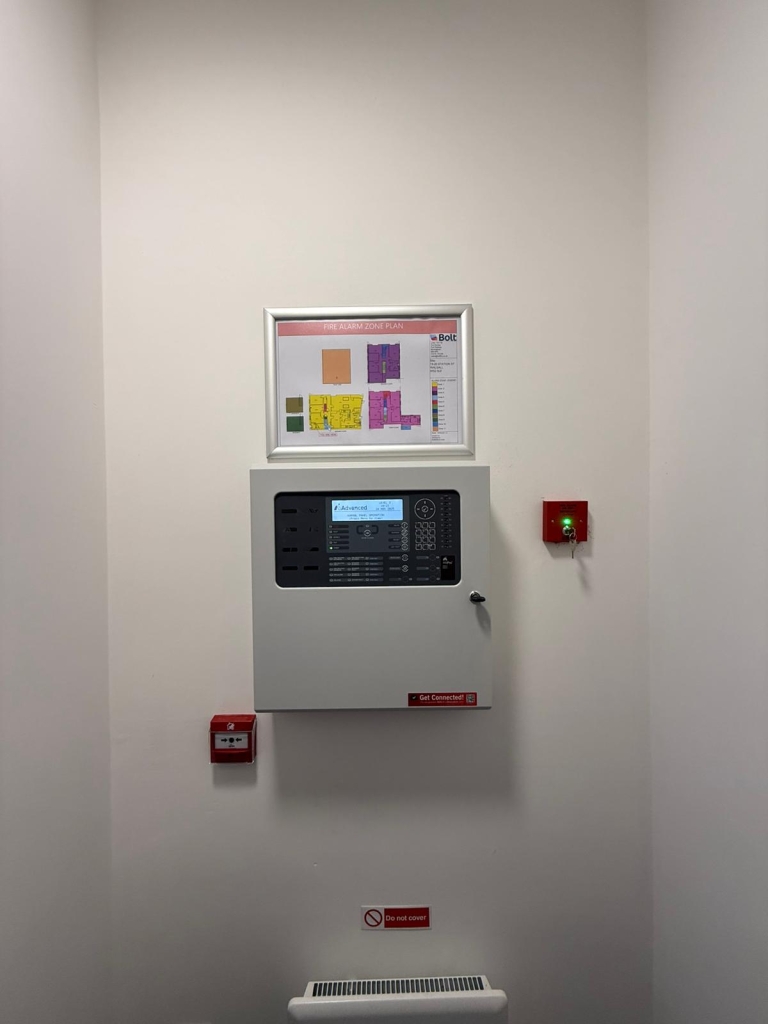
When choosing between a wired or wireless fire alarm system, there’s no one-size-fits-all solution.
The right system depends on factors such as your building type, how it’s used, your budget, and the need to meet UK fire safety regulations.
Under the Regulatory Reform (Fire Safety) Order 2005, the ‘responsible person’ must ensure appropriate fire detection systems are in place. While the BS 5839 sets the recognised British standard for fire alarm system design, installation and maintenance.
In this blog, we compare wired and wireless fire alarm systems, exploring their advantages, limitations, and the types of buildings they’re best suited for.
What is a wired fire alarm system?
A wired fire alarm system uses physical cabling to connect detectors, call points and sounders to a central control panel, powered by the building’s main electrical supply.
When smoke or heat is detected, a signal is transmitted through the cabling to activate the alarm.
Wired fire alarm systems are commonly installed in new builds or larger commercial properties, where cabling can be incorporated during construction. They are widely regarded as a reliable, long-term solution for permanent installations.
What is a wireless fire alarm system?
A wireless fire alarm system uses radio signals rather than cabling to communicate between detectors, call points, and the control panel. When smoke or heat is detected, a signal is transmitted wirelessly via radio waves to activate the alarm.
Each device is typically battery-powered, allowing for a more flexible installation. Wireless systems are particularly well-suited to listed or heritage properties, as well sites where a faster, less invasive installation is required.
Wired vs wireless fire alarm systems: The key differences
To make the right choice of fire alarm system, you should consider the following key factors:
1. Installation
- Wired: Highly reliable but disruptive to install in existing buildings. Best suited to newbuilds, where cabling can be integrated during construction.
- Wireless: Quick and non-invasive installation with flexible placement, ideal for occupied buildings or heritage properties.
2. Cost
- Wired: The hardware is generally less expensive than wireless devices, but installation can be costly, and restoring décor in older buildings may increase the overall expense.
- Wireless: The devices are generally more expensive, but quicker installation reduces labour costs. Batteries also require regular maintenance and replacement.
3. Reliability & Maintenance
- Wired: These systems are extremely dependable, with minimal maintenance and no reliance on batteries so no fear of signal being lost.
- Wireless: Modern systems are highly reliable, but signal interference or chances to the building’s layout or usage can reduce effectiveness.
4. Best Use Cases
- Wired: Ideal for permanent, large-scale installations such as multi-storey offices, commercial buildings, or warehouses.
- Wireless: Best suited to buildings where cabling would be difficult or disruptive, including listed or heritage properties.
5. Compliance & Safety
Both wired and wireless fire alarm systems can fully meet UK fire safety regulations when correctly designed, installed and maintained, considering the building’s layout and usage.
Choosing the right system will depend on your building, usage and priorities. A qualified professional can help determine the most suitable option for your premises.
Fire alarm system installation and maintenance
Keeping your building and everyone inside safe starts with the right installation. Whether you choose a wired or wireless fire alarm system, professional installation and regular maintenance are essential for reliability and compliance with UK fire safety regulations.
Why professional installation matters
- Ensures the system is correctly designed and installed according to BS 5839 and the Regulatory Reform (Fire Safety) Order 2005.
- Includes full commissioning, testing all devices and connections to make sure the system works as intended from day one.
- Minimises faults and reduces the risk of false alarms.
- Tailors the system to your building’s layout, size and usage.
Ongoing Maintenance
- Wired systems require regular testing and inspections to ensure they remain fully operational.
- Wireless systems also need battery checks and replacements, alongside routine testing.
- Professional servicing prolongs system life, ensures compliance and keeps occupants safe.
Tailored solutions
Every building is completely unique, from offices and warehouses to schools and heritage sites.
A professional fire risk assessment and survey helps identify the most suitable system, wired or wireless, and ensures it meets both operational and regulatory requirements.
Expert Fire Alarm Systems with Bolt Fire
Choosing the right fire alarm system, wired or wireless, is just the first step.
At Bolt Fire, we provide professional fire alarm installation, commissioning and ongoing maintenance to keep your system reliable and compliant with UK regulations.
Contact us today to discuss your fire safety and let our specialists get the job done.